Laindon Shopping Centre Today & the New Development
Part 5 of the history of Laindon Shopping Centre, covering the new Lidl, retail units, housing, community facilities and the site's latest chapter.
The New Lidl
The most visible part of the new regeneration is the construction of a much larger Lidl supermarket. The new store was planned as a major anchor for the redeveloped centre, replacing the smaller Lidl store that previously served the area. Sanctuary's plans included the larger supermarket together with 15 local shop units, more than 200 affordable homes and new public spaces.
The new Lidl is particularly important because it brings a major retailer back to the centre of Laindon after the disappearance of the old shopping centre's supermarkets. It provides a large modern food store while also acting as an anchor around which the remaining retail and residential development can be built.
The New Retail Units
The current regeneration is not intended to be simply a Lidl supermarket surrounded by housing. Sanctuary's plans provide for approximately 15 local shops alongside the supermarket. Earlier consultation material referred to 16 retail units and identified businesses such as Templemans Opticians and Wells Pharmacy as proposed occupants. The intention is to recreate a local high street environment, although on a much smaller and more modern scale than the original 1969 shopping centre.
The new development also includes parking and improved public spaces. Plans provide for space around the Laindon War Memorial and fountain, helping to give the regenerated area a stronger civic identity. The intention is to create a place that combines housing, shopping and community facilities rather than simply rebuilding the old centre in its previous form.
Changes to the Medical Centre Plans
The regeneration has also involved plans for healthcare facilities. Earlier proposals included an improved medical centre as part of the redevelopment. However, the plans have subsequently had to change as circumstances surrounding the proposed NHS facility developed. This has required Sanctuary to reconsider parts of the scheme while continuing with the wider regeneration.
What the New Development Means for Laindon
The new development represents a completely different approach from the original 1960s shopping centre. The first centre was designed primarily around retail, with shops, banks, supermarkets, a pub, a library and offices serving a rapidly expanding New Town population. The new scheme is much more heavily focused on housing, with more than 205 affordable homes forming a major part of the development alongside Lidl and smaller retail units.
This change reflects the wider pressures facing modern town centres. Shopping habits have changed dramatically since 1969, with supermarkets, retail parks, online shopping and larger commercial developments changing the way people buy goods. The new Laindon development therefore aims to provide the services that are most useful to residents today while also providing much-needed housing.
From 44 Shops to a New Community Hub
The transformation is striking when the two developments are compared. The original Laindon Shopping Centre contained around 44 shop units and supported a remarkable variety of businesses, including banks, supermarkets, butchers, chemists, restaurants, newsagents, clothing shops, furniture stores, electrical retailers and specialist traders. It also included Clock House, the library and The Joker public house.
The new development is smaller in terms of retail space but much larger in terms of residential accommodation. More than 205 affordable homes are planned alongside the new Lidl and local shops. This means that the centre of Laindon is moving from being primarily a shopping destination to becoming a mixed residential and community centre.
A New Chapter for Laindon
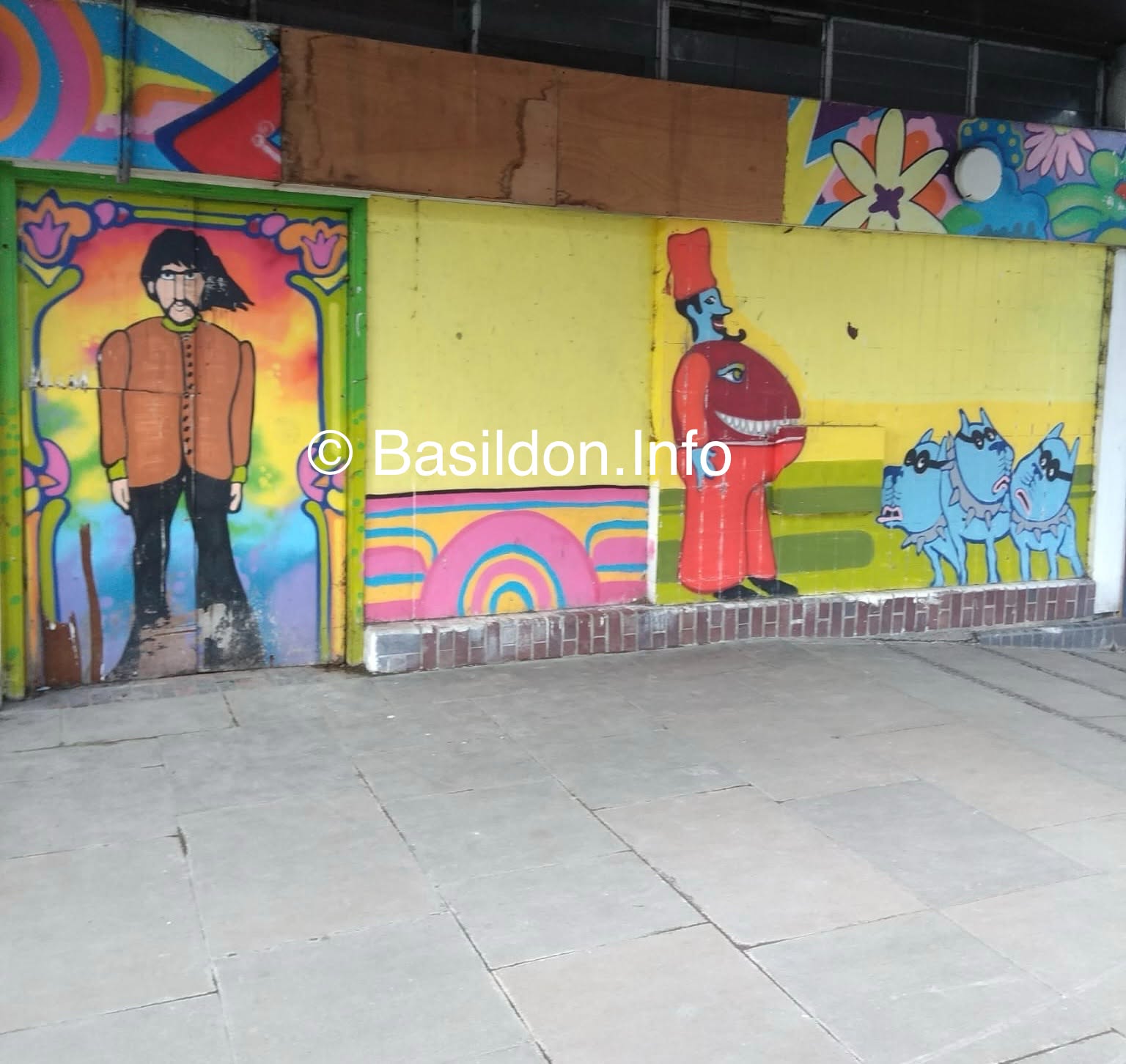
The story of Laindon Shopping Centre therefore spans more than half a century. It began in the late 1960s as a symbol of the modern New Town, replacing the old High Road shops with a purpose-built shopping centre. For decades it was an important part of everyday life, with generations of residents shopping in its stores, visiting its banks, using its Post Office, eating in its cafés and restaurants and meeting friends in the centre.
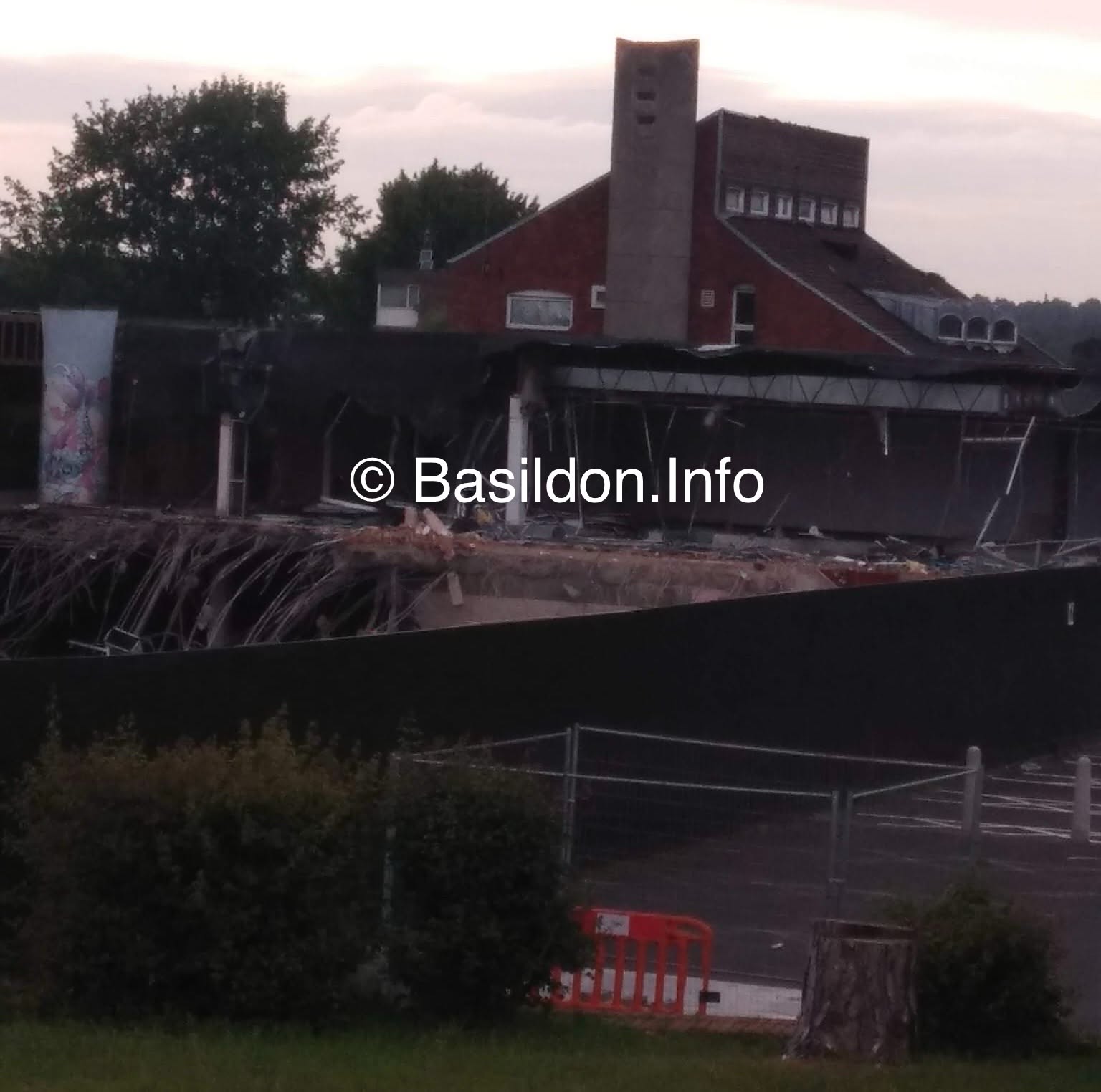
Its later decline was gradual rather than sudden. Businesses closed, units became vacant and attempts were made to regenerate parts of the site. The demolition of Clock House in 2008 was followed by a failed redevelopment attempt, while the larger Swan Housing plans eventually led to the complete demolition of the centre in 2019. The site then entered another period of uncertainty before the regeneration was taken forward by Sanctuary.
Today, the new Lidl and the emerging housing and retail development mark the beginning of another chapter. The buildings may be very different from the centre that stood there from 1969 until 2019, but the purpose remains broadly similar: to provide Laindon with somewhere local to shop, live and access everyday services. The difference is that the new development is being designed for the needs of twenty-first-century Laindon rather than the rapidly expanding post-war community for which the original centre was built.
For anyone who remembers the old centre, the changes are enormous. The names of shops such as Dewhurst, Godfrey's, Keith's, Stanwood Radio, Peachey's, Kibby's, Budgen, Gateway, Somerfield, Barclays, Lloyds and many others now belong to Laindon's history. In their place is a new development that is gradually taking shape around Lidl, new homes, new shops and new community spaces. The Laindon Shopping Centre has therefore gone, but its story remains an important part of the history of modern Laindon.