Laindon High Road Today & What Remains
Part 3 of the history of Laindon High Road, covering its community role, changing population, the road today and what remains of the old High Road.
The High Road as a Community
Laindon High Road was more than a collection of shops. It was one of the main places where the community came together. People knew the shopkeepers personally, families often returned to the same businesses for years and local traders could become well-known figures in the community. Because many people walked to the shops, the High Road naturally became a place where neighbours met and conversations took place.
The importance of the road was particularly clear before widespread car ownership. People from surrounding villages and districts could walk considerable distances to reach Laindon. The High Road therefore served a much larger population than the immediate houses alongside it. Its shops provided food, clothing, household goods, professional services and entertainment to a wide rural catchment area.
The High Road and Laindon's Changing Population
As Laindon grew during the twentieth century, the character of the High Road changed with it. The original rural community gradually became more densely populated, new houses appeared and increasing numbers of people travelled through the area. The shops responded by offering new types of goods and services. Traditional businesses continued alongside newer trades such as radio, television and electrical retailing.
The road therefore provides a useful way of understanding the wider development of Laindon. The changing businesses reflect changing lifestyles. The old grocer, butcher, fishmonger and draper belonged to an era of frequent local shopping, while electrical shops, photographic services and other specialist businesses reflected the changing technology and consumer habits of the twentieth century.
Laindon High Road Today
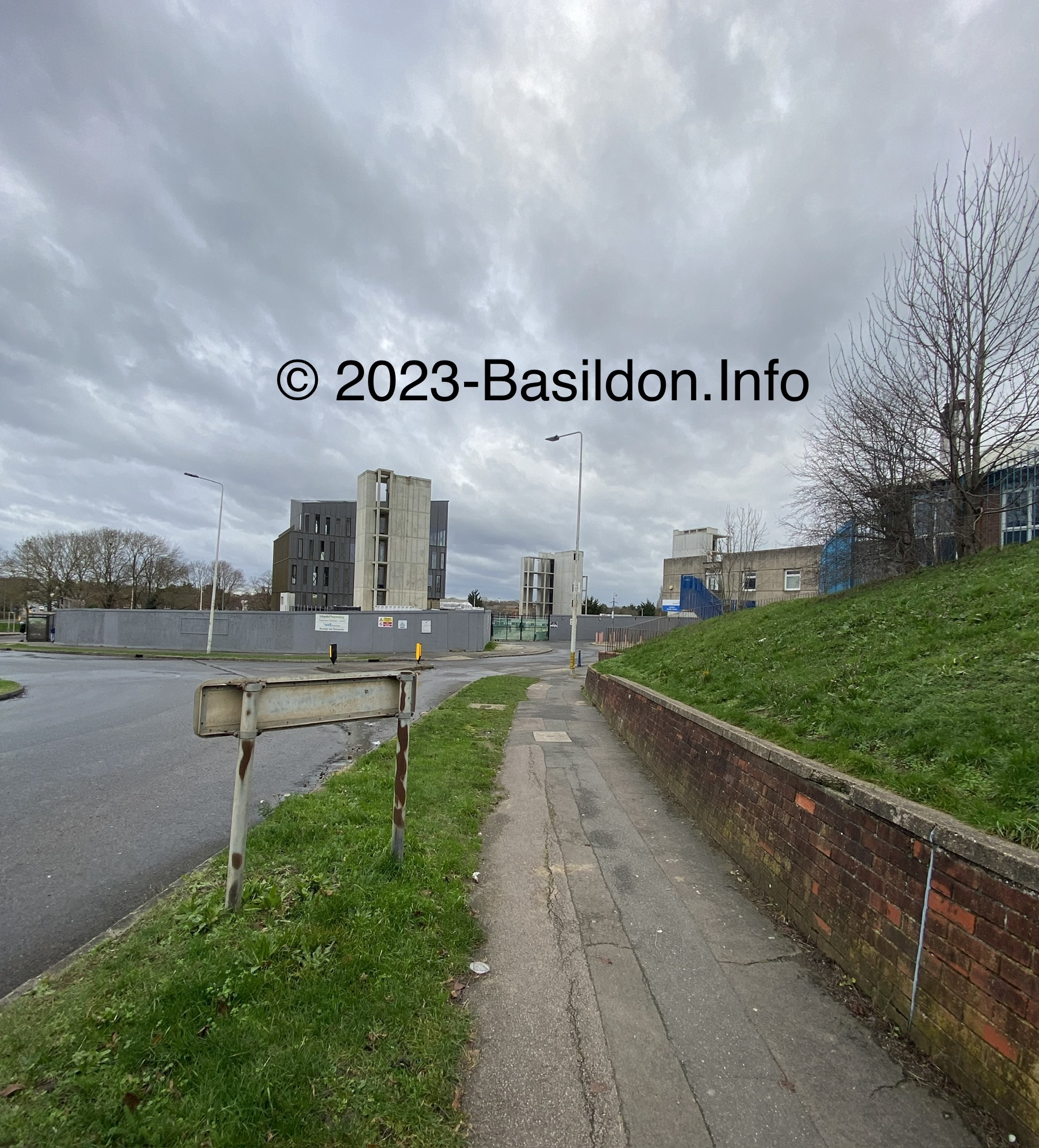
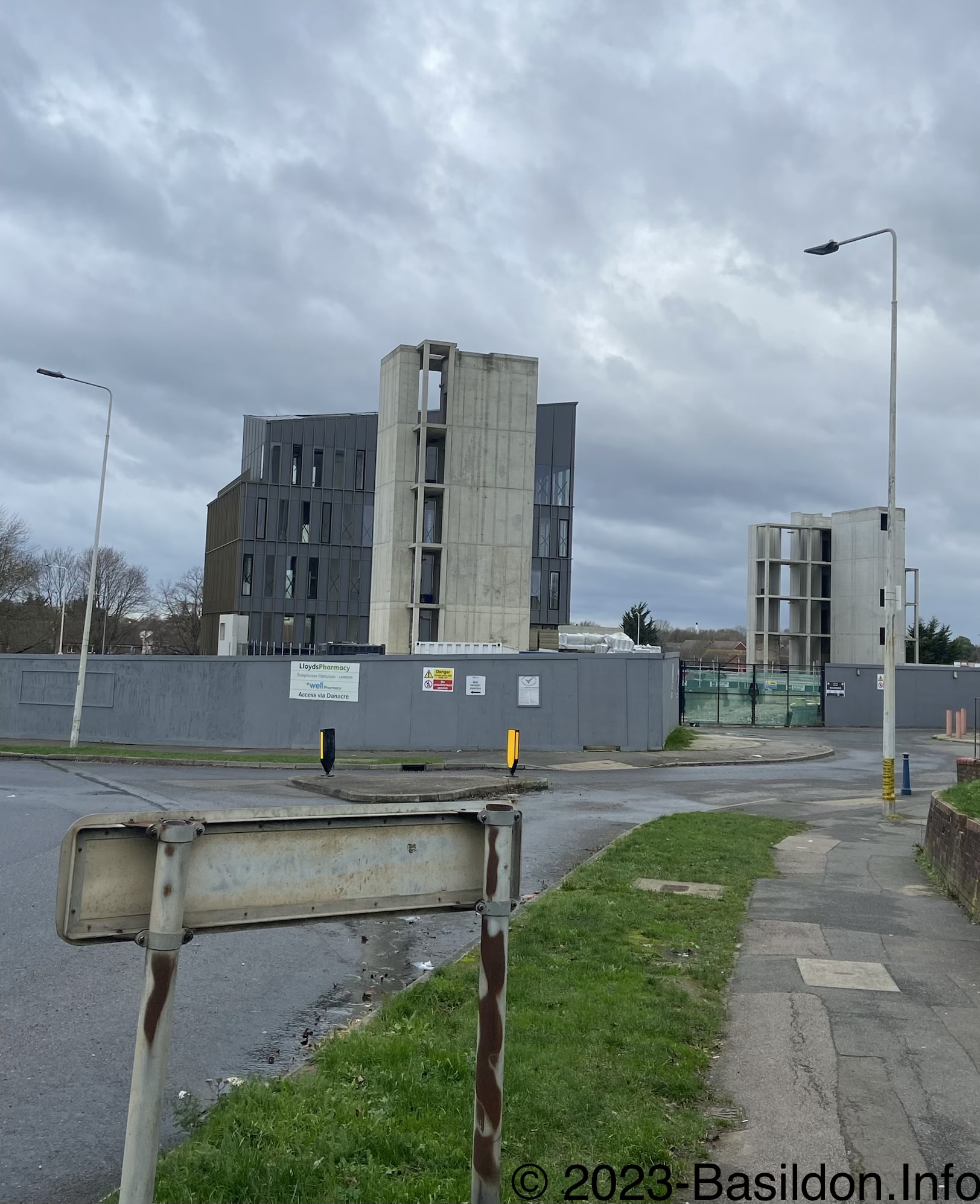
Today, Laindon High Road is very different from the busy independent shopping street remembered by older generations. Many of the original shops have disappeared and numerous historic premises have been demolished, altered or converted to other uses over the decades. The road now contains a mixture of homes, modern businesses, food outlets, automotive services and other local enterprises.
Some modern businesses still operate directly on High Road. For example, Laindon Turkish Barber is currently trading on High Road, while Franklin Bodywork Specialist operates at 28 High Road. KFC Laindon also operates from High Road at Harland House. These businesses illustrate how the modern road has developed a different commercial character from the traditional High Road of the early and mid-twentieth century. Laindon Turkish barber Franklin Bodywork Specialist Ltd KFC Laindon - High Road
What Remains of the Old High Road
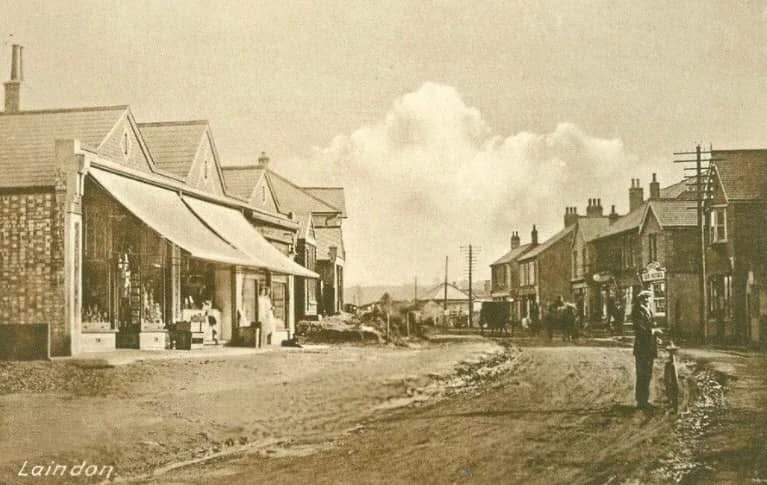
Although many of the old shops have disappeared, parts of Laindon's earlier character can still be understood by looking at the surviving buildings, road layout and historic landmarks. The High Road still follows the route around which the old settlement developed, and the railway remains an important feature of the area. Historic buildings and landmarks elsewhere in Laindon also help provide context for the street's earlier appearance.
The surviving photographs, maps, property surveys and memories of former residents are therefore particularly valuable. Without these records, it would be extremely difficult to understand just how many different businesses once operated along the road or where individual shops stood. The work of the Laindon & District Community Archive and other local historians has helped preserve many of these memories for future generations.
Remembering Laindon High Road
Laindon High Road deserves to be remembered as one of the most important commercial streets in the history of the local area. For generations it provided the everyday necessities of life, from food and clothing to medicines, newspapers, hardware and household goods. It also provided cafés, restaurants, hairdressers, banks, post offices, estate agents and numerous specialist services.
The names of many of those businesses have now disappeared, but they tell an important story about how Laindon once worked. The old High Road was built around local people serving local people. Its shops were often small, family-run businesses where customers knew the owners personally. The street was busy not because it contained large national retailers, but because it provided almost everything the surrounding community needed.
Today, the businesses found along High Road are very different, but the road remains an important part of Laindon's identity. Its history stretches from the first shops that appeared near the railway in the late nineteenth century, through the busy independent shopping era of the early and mid-twentieth century, to the modern businesses that occupy the road today. The story of Laindon High Road is therefore not simply a story of shops; it is a story of how Laindon itself changed.